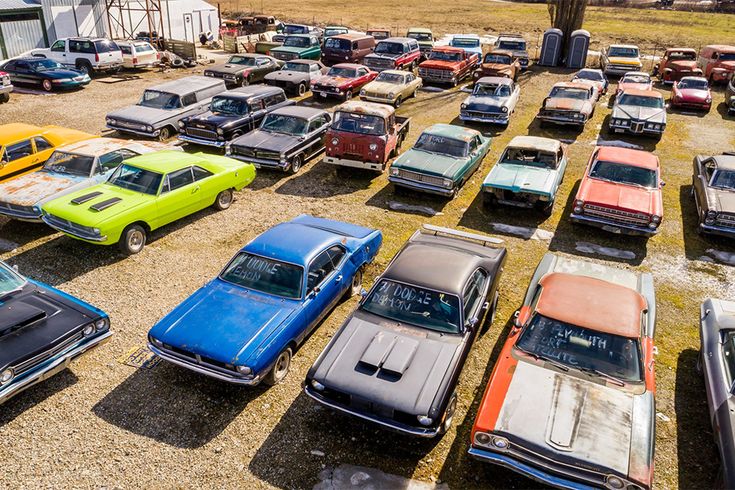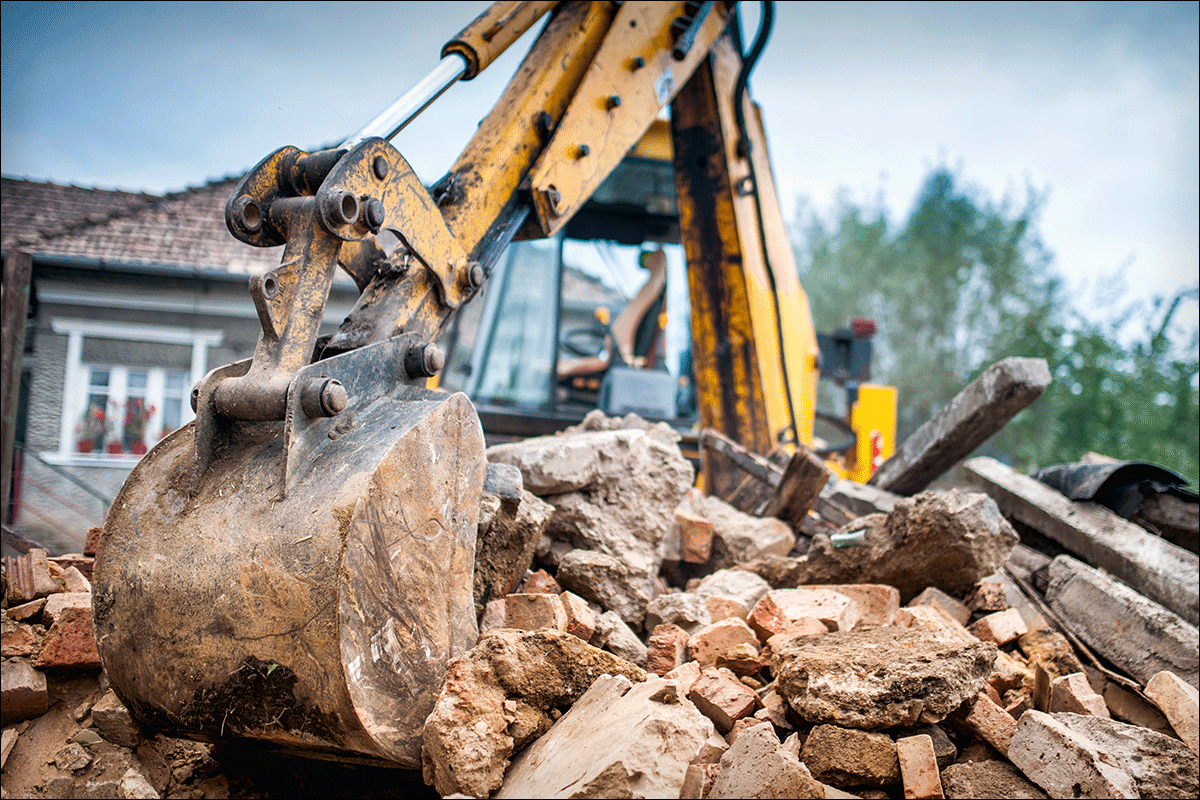
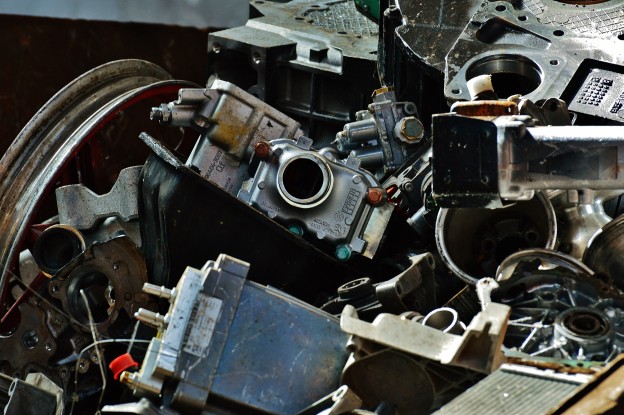
Scrap metals recycling is an essential process for our planet’s sustainability. It is one of the most effective ways to conserve our natural resources, reduce waste, and lower carbon emissions. Recycling steel, copper, aluminum, and other metals reduce the impact of mining, extraction, and processing of virgin materials that release greenhouse gases and deplete our natural resources.
Scrap metals recycling creates job opportunities, reduces landfill sites, and produces raw materials for new industries. This blog will demonstrate how scrap metal recycling works, what materials can be recycled, the benefits of recycling, and how you can get involved.
Scrap metals recycling in Hoppers Crossing is the process of collecting, sorting, processing, and melting old or discarded metals to produce new useful products. The most common scrap metals are steel, copper, aluminum, brass, lead, stainless steel, nickel, and titanium. Recycling steel and aluminum can save up to 80% of the energy used while producing new products. Moreover, recycling metals helps reduce air, water, and soil pollution.
Metal recycling facilities are equipped with state-of-the-art technology to process metals efficiently and effectively. The process starts by collecting recyclables from homes, offices, industrial sites, and other sources. The materials are then sorted by type and grade using magnets, conveyor belts, sensors, and other mechanical devices. The sorted materials are processed into smaller pieces using shredders, shears, or balers. The final product is a mixed metal scrap that is sent to a smelting facility to be melted. The molten metal is then poured into molds to create new products.
The benefits of scrap metals recycling in Brooklyn are vast. Recycling metals saves energy, reduces carbon emissions, conserves natural resources, and protects the environment. Additionally, recycling metals creates jobs in the recycling industry and other related industries. It generates income for individuals and communities, reduces landfill sites, and helps create a sustainable future.
As an individual, you can also play a crucial role in scrap metal recycling. You can start by separating metals from other waste and disposing of them in a separate container. You can also contact your local recycling center to learn more about their metal recycling services. Buying products made from recycled metals also helps create a demand for recycled materials.
Conclusion
Scrap metal recycling is a crucial process that benefits individuals, communities, and the environment. It conserves natural resources, reduces energy consumption, creates jobs, and generates income. As an individual, you can contribute to the process by separating metals from other waste, recycling them, and buying products made from recycled metals. Together, we can create a sustainable future and protect our planet